An Import Permit is a paper from the government. It lets goods enter a country. It follows local laws. It keeps local businesses safe.
Category
Trade regulation document
Used for
Authorizing restricted or controlled imports
Common confusion
Import Permit vs. Customs Declaration
Also called
Import License, Import Authorization
Often discussed with
Madagacar Market Access, Goods Sourcing and Procurement

Import Permit's a government-issued authorization that allows importers to bring specific goods into a country. Governments use permits to enforce trade policies, protect public health. And support local industries. In Madagascar, permits are mandatory for items like food, chemicals, plants, animals. And certain manufactured goods. Without a valid permit, shipments can be delayed, fined. Or rejected at the border.
Related glossary terms: Customs Clearance, Certificate of Origin, Phytosanitary Certificate.
Permits also help track import volumes, prevent illegal trade. And ensure imported goods meet national safety or environmental standards. Each country sets its own list of controlled items. So what requires a permit in Madagascar may not need one elsewhere. Importers must check the current list before shipping to avoid costly mistakes.
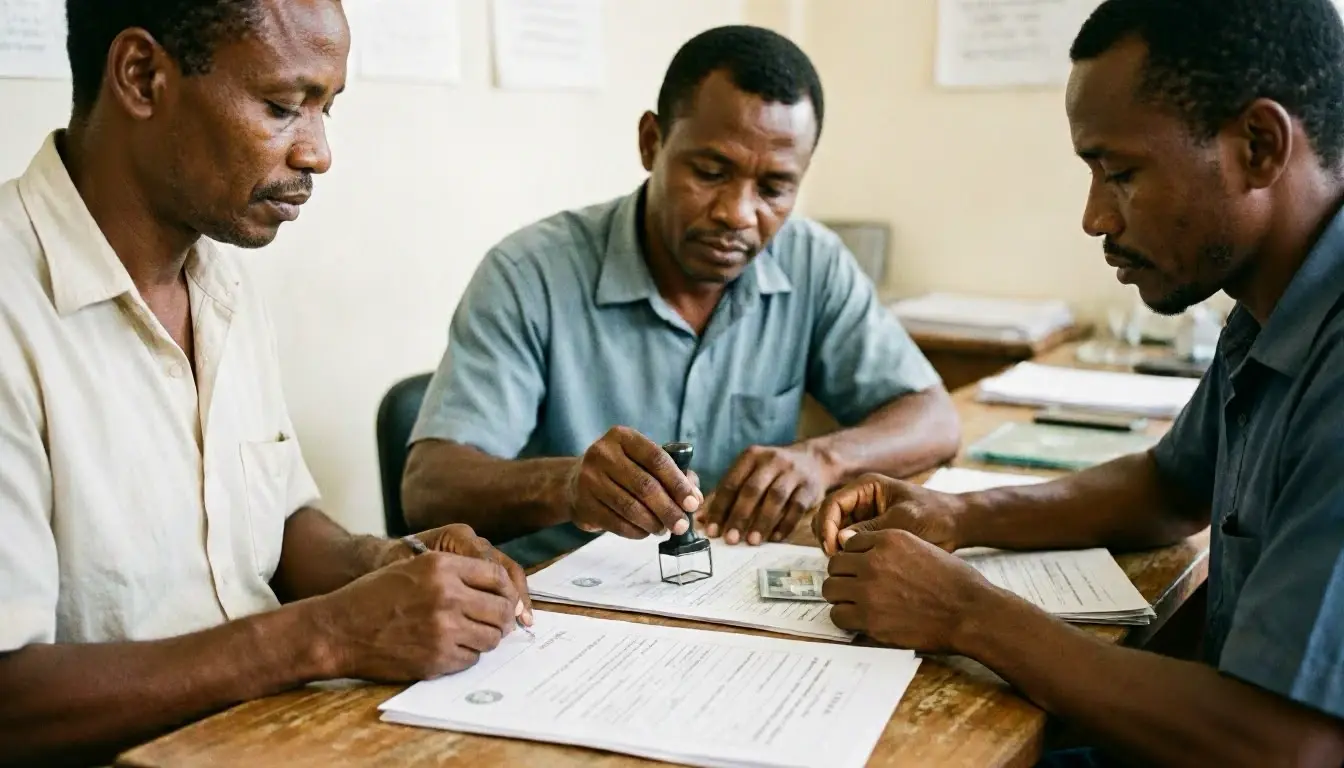
The process begins when an importer identifies goods that require a permit. The importer submits an application to the relevant government agency, often including details like product description, quantity, origin. And intended use. In Madagascar, the Ministry of Trade or Customs Directorate typically handles these applications. Supporting documents, such as invoices, certificates of origin. Or safety data sheets, may be required.
After review, the agency either approves or denies the application. Approved permits usually specify validity periods, maximum quantities. Or special conditions. Importers must present the permit during customs clearance. For customers, this means customs officers verify the permit matches the shipment before allowing entry. Some permits are single-use; others cover multiple shipments within a set timeframe.
Import Permits matter because they prevent illegal or unsafe goods from entering the market. For businesses, securing permits avoids costly delays, fines. Or confiscation of goods. Permits also help governments monitor trade flows, collect accurate trade statistics. And enforce tariffs or quotas. Without permits, importers risk violating national laws, which can lead to legal penalties or loss of import privileges.
For consumers, permits ensure imported products meet safety, health. Or environmental standards. For example, food import permits help prevent contaminated or mislabeled products from reaching stores. Permits also protect local producers by regulating competition from foreign goods.
Import Permits matter most when shipping goods that are restricted, controlled. Or subject to quotas. In Madagascar, this includes agricultural products, pharmaceuticals, chemicals. And live animals. Permits are also critical for goods under international agreements, like endangered species or hazardous materials. Importers should apply for permits well before shipping to avoid last-minute delays.
Permits also become important during trade disputes, economic sanctions. Or health emergencies. Governments may tighten permit requirements to protect local industries or public safety. For example, during a food safety scare, authorities may require additional inspections or documentation for food imports. Importers who stay informed about changing regulations can adjust their plans quickly.
A Customs Declaration is a form detailing all imported goods for tax and duty calculation. An Import Permit is a separate approval required before certain goods can enter the country.
A Certificate of Origin proves where goods were manufactured. An Import Permit authorizes the entry of specific goods, regardless of origin.
Import Permits often require technical documentation, like safety data sheets or phytosanitary certificates. Importers should prepare these early to avoid application delays or rejections.
A spice company in Madagascar wants to bring in 500 kg of dried vanilla beans from Comoros. They check the list of controlled items. Vanilla needs a permit. They apply to the Ministry of Trade. They give invoices, plant health papers. And where the goods came from. After approval, they show the permit at customs. The shipment enters without delays.
Customs Clearance is the official process through which imported or exported goods are inspected, documented. And approved by a country’s customs authority before entering or leaving its borders. It ensures compliance with national laws, tariffs.
An official paper from a chamber of commerce or government. It shows where goods were made or worked on. Customs, banks. And buyers use it to check tariffs and rules.
Phytosanitary Certificate is an official document issued by a government authority to certify that plant products, such as fruits, vegetables, seeds. Or timber, meet the importing country’s plant health standards. It confirms the shipment is free from pests, diseases.
Trade License is an official permit'ssued by local or national authorities in Madagascar that authorizes a business to conduct specific commercial activities within a defined jurisdiction. Trade licenses ensure compliance with local regulations, zoning laws. And industry standards. And they help authorities monitor business operations for tax, safety.
Duty Exemption is a legal provision that allows certain imported or exported goods to enter or leave a country without paying customs duties, taxes. Or tariffs. Duty Exemptions are typically granted to support specific industries, promote economic growth. Or comply with international trade agreements. Governments define eligibility criteria, such as the type of goods, intended use.
Agent In Mada
Contact Agent In Mada for practical guidance on Import Permit and related business support services work in Madagascar.