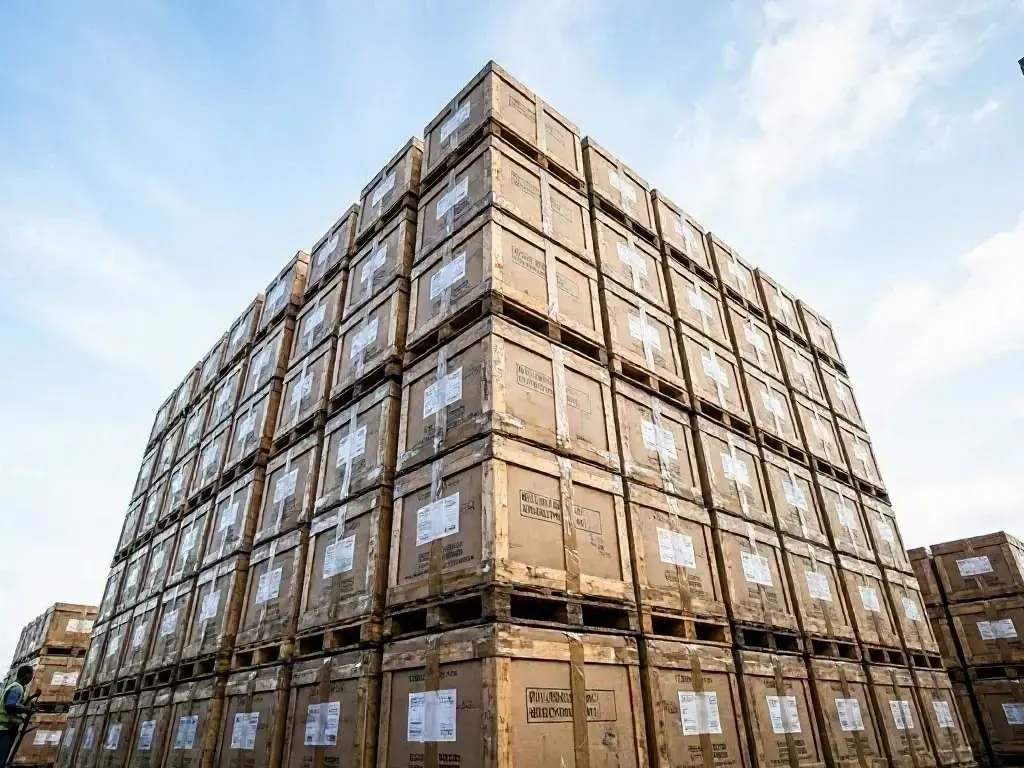
Duty Exemption is a legal provision that allows certain imported or exported goods to enter or leave a country without paying customs duties, taxes. Or tariffs. Duty Exemptions are typically granted to support specific industries, promote economic growth. Or comply with international trade agreements. Governments define eligibility criteria, such as the type of goods, intended use.
Term
Duty Exemption
Category
Definition
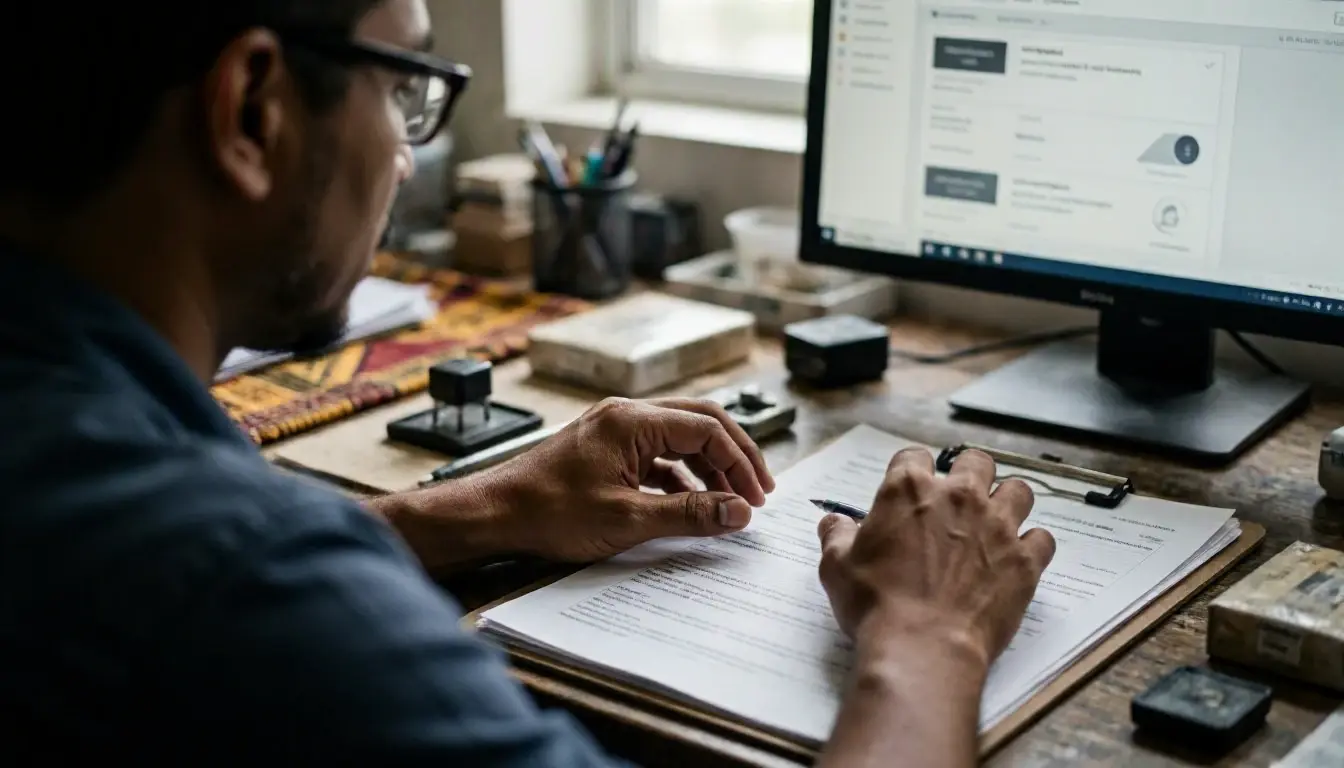
Duty Exemption lets businesses or people bring goods in or out without paying usual taxes. These taxes are fees governments charge on goods that cross borders. They protect local businesses, raise money. Or control trade. Duty Exemptions remove or pause these fees for certain goods.
Governments do this to encourage investment or help key industries. They also do it to follow international agreements. For example, raw materials for making products may not have taxes if the products are later sold abroad.
Governments create Duty Exemption programs with laws or rules. Each program says which goods qualify and what the rules are. They also explain how to apply. Common reasons include attracting investment or supporting local production.
In Madagascar, Duty Exemptions follow national customs laws. They may also match regional trade deals. These deals include COMESA or the African Continental Free Trade Area (AfCFTA).
To get a Duty Exemption, businesses must follow steps. First, they check if their goods qualify. This means looking at customs rules or trade deals. Some industries get special help.
Goods brought into an Export Processing Zone (EPZ) in Madagascar may skip taxes. This happens if they're used to make products for export. After checking, the business sends an application. They send it to groups like the Customs Directorate or EDBM.
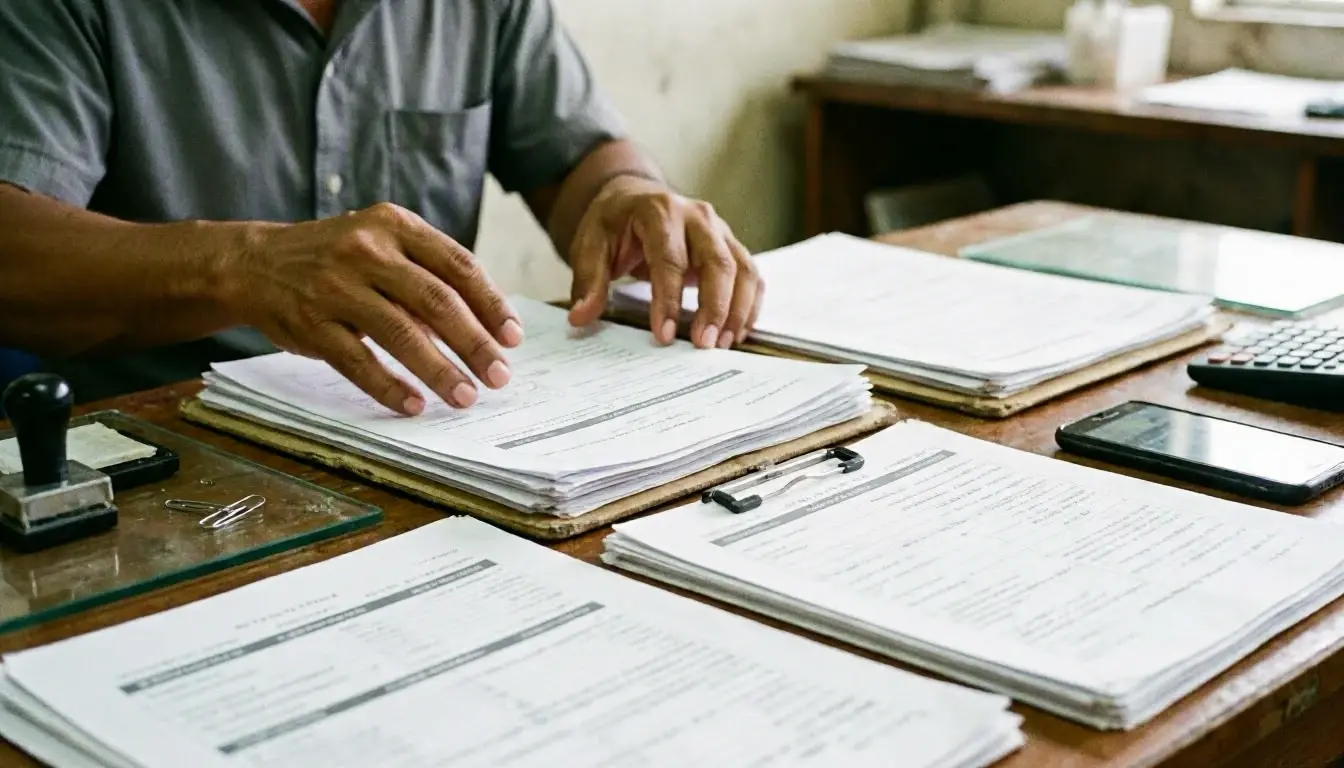
The application needs lots of paperwork. This includes invoices and proof of where goods come from. It also needs proof of how the goods will be used. Customs checks the application to make sure it follows the rules.
If approved, the business gets a certificate or permit. They must show this when goods arrive. The goods are checked. If they meet all rules, they're let through without taxes.
Businesses must keep records and follow reporting rules. Officials may check later to make sure they still qualify. If they don't follow the rules, they can get penalties.
Penalties can include paying taxes later, fines. Or legal trouble. For example, if goods meant for export are sold locally, the business may owe taxes. They may also pay extra fines. This is why businesses must understand their exemption rules and keep good records.
Duty Exemption helps businesses save money on international trade. Without taxes, costs go down. This helps profits and keeps businesses competitive.
For industries like manufacturing or farming, exemptions can make a big difference. They help businesses stay profitable. Exemptions also attract foreign companies to set up shop in a country.
Duty Exemptions help governments reach bigger goals too. They use them to bring in investment, create jobs. And help certain industries grow. Madagascar offers exemptions in Special Economic Zones (SEZs).
These zones help export businesses. Exemptions also help countries follow trade deals. This makes trade smoother and helps international relations. But exemptions must be used correctly.
Wrong use can hurt local businesses or cost governments money. That's why following the rules is so important.
Duty Exemption matters in many cases. Businesses that export goods need exemptions. They don't want to pay taxes on materials that won't stay in the country.
Companies in government programs often get exemptions too. These might include tax breaks or help for new factories. A textile company in Madagascar might get exemptions on machines and materials.
Exemptions also help with trade deals. Countries in agreements like AfCFTA may skip taxes on goods from member states. This helps trade within the region.
Groups like charities may get exemptions too. They might bring in medical supplies or disaster aid. Exemptions help them get goods faster and cheaper.
Businesses must keep up with customs laws. New exemptions may start. Or old ones may change. Staying informed helps businesses take advantage of these programs.
Exemptions can be very important for businesses. In tough industries, small cost savings can make a big difference. But businesses must follow the rules.
They need to keep records and report correctly. Officials may check later. Mistakes can lead to penalties. So it's key to understand the rules well.
Duty Exemptions are not automatic and require proactive compliance. Businesses should treat exemption applications like a legal contract—every condition must be met.
A Madagascar-based textile manufacturer imports cotton fabric duty-free under an exemption program for export-oriented businesses. The company must use the fabric to produce garments for sale abroad and submit quarterly reports to customs authorities proving compliance. If the company sells any garments locally, it must pay retroactive duties on the imported cotton.
Agent In Mada
Contact Agent In Mada for practical guidance on Duty Exemption and related business support services work in Madagascar.