An official paper from a chamber of commerce or government. It shows where goods were made or worked on. Customs, banks. And buyers use it to check tariffs and rules.
Category
International trade document
Used for
Customs clearance and tariff classification
Common confusion
Often mixed up with commercial invoices or packing lists
Also called
CO, Origin Certificate
Often discussed with
Madagacar Market Access

A Certificate of Origin (CO) is a critical document in international trade that identifies the country where goods were produced, manufactured. Or processed. Unlike a commercial invoice, which details the transaction between buyer and seller, the CO focuses solely on the origin of the products. This information is essential for customs authorities to determine applicable tariffs, trade agreement benefits. And import restrictions.
Related glossary terms: Customs Clearance, Free Trade Agreement, Preferential Tariff.
Certificates of Origin are typically issued by recognized bodies such as chambers of commerce, trade associations. Or government agencies. In Madagascar, the Chamber of Commerce and Industry (CCI) or the Economic Development Board of Madagascar (EDBM) may issue these documents. The process involves verifying the production details, ensuring compliance with trade regulations. And confirming that the goods meet the origin criteria specified in relevant trade agreements.
The workflow for obtaining a Certificate of Origin begins when an exporter prepares the necessary documentation, including invoices, packing lists. And proof of production. The exporter submits these documents to the issuing authority, which reviews them to confirm the origin of the goods. Once verified, the authority issues the CO, which accompanies the shipment through customs.
Expect two main types of Certificates of Origin: non-preferential and preferential. Non-preferential COs are used for general trade and don't qualify goods for special tariff treatments. Preferential COs, on the other hand, are issued under free trade agreements (FTAs) or preferential trade arrangements, allowing goods to benefit from reduced or zero tariffs. For example, goods exported from Madagascar under the African Continental Free Trade Area (AfCFTA) may require a preferential CO to qualify for tariff reductions.
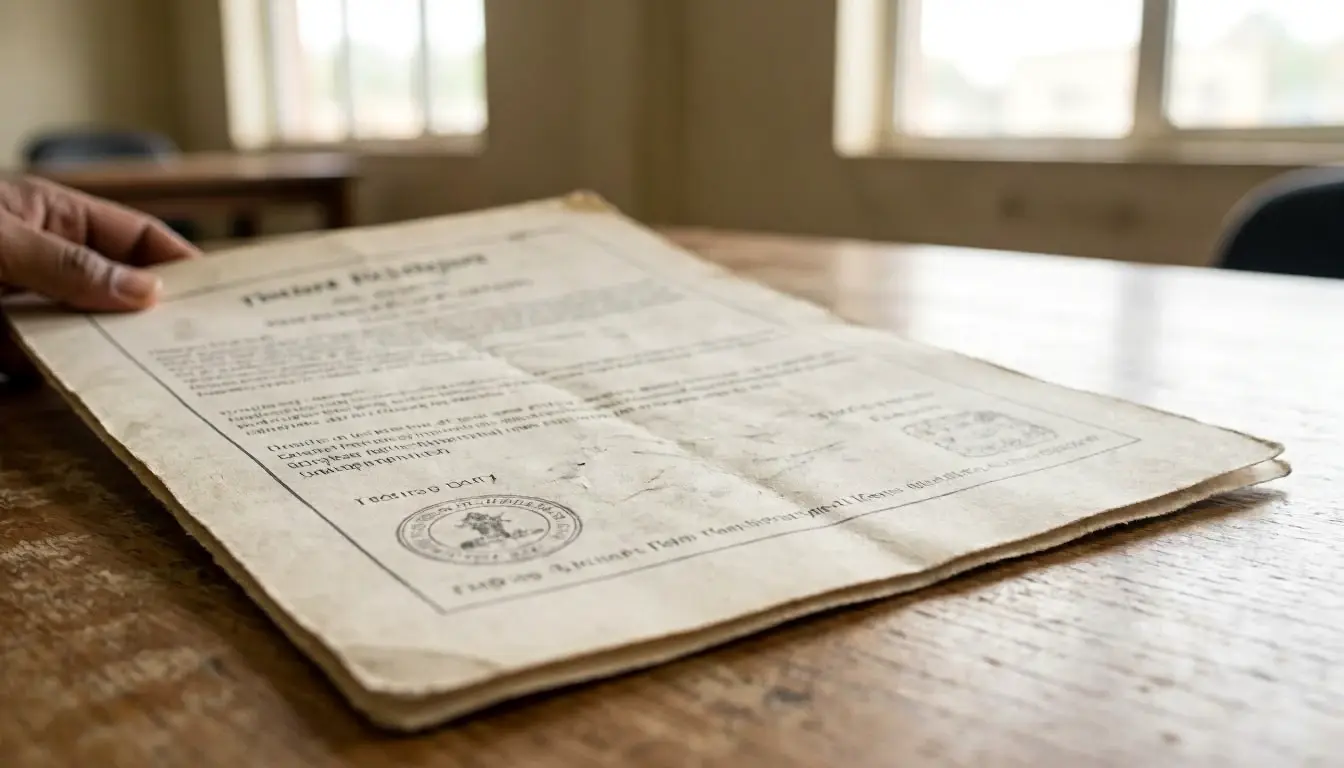
A Certificate of Origin plays a vital role in international trade by ensuring compliance with import regulations and trade agreements. Without a valid CO, shipments may face delays at customs, additional duties. Or even rejection. For businesses, this document helps avoid financial losses, legal penalties. And supply chain disruptions. It also builds trust with buyers by providing transparent proof of origin, which is increasingly important in global supply chains.
And Certificates of Origin can get cost savings for businesses. Under preferential trade agreements, goods with a valid CO may qualify for lower tariffs, making them more competitive in foreign markets. For example, Madagascar-based exporters of textiles, agricultural products. Or handicrafts may benefit from reduced tariffs when exporting to countries with which Madagascar has trade agreements.
Certificates of Origin are particularly important in several scenarios. First, they're required for customs clearance in nearly all international shipments. Without a CO, customs authorities may hold the shipment, leading to delays and additional storage costs. Second, they are essential when claiming preferential tariff treatment under trade agreements. Businesses exporting goods to countries with FTAs must provide a CO to qualify for reduced tariffs.
Another critical situation is when importing countries impose restrictions or bans on goods from specific origins. A CO helps customs authorities verify that the goods comply with these regulations. For instance, if a country restricts imports from certain regions due to political or health concerns, a CO ensures that the goods originate from an approved source. Finally, Certificates of Origin are often required for financing purposes, such as letters of credit, where banks need proof of origin to release funds.
A commercial invoice details the transaction between buyer and seller, including prices and payment terms. While a Certificate of Origin only certifies the country of production.
A phytosanitary certificate ensures that agricultural products meet health and safety standards, whereas a Certificate of Origin verifies the country where goods were produced.
A bill of lading serves as a contract for the transportation of goods and a receipt for the shipment. While a Certificate of Origin is a document proving the origin of the goods.
A Certificate of Origin is not just a formality—it can directly impact tariff costs and market access. Exporters should verify origin criteria under relevant trade agreements early to avoid costly mistakes at customs.
A Madagascar company sends vanilla to the EU. It needs this paper for zero tariffs. The Chamber of Commerce says the vanilla was grown in Madagascar.
Customs Clearance is the official process through which imported or exported goods are inspected, documented. And approved by a country’s customs authority before entering or leaving its borders. It ensures compliance with national laws, tariffs.
Free Trade Agreement is free Trade Agreements are legally binding treaties between two or more countries that reduce or eliminate tariffs, quotas. And other trade barriers on goods and services. Free Trade Agreements aim to boost economic growth, increase trade flows.
Preferential Tariff is a reduced or eliminated import duty rate granted to goods from specific countries under trade agreements, regional blocs. Or development programs. These tariffs lower costs for importers and encourage trade between participating nations by making products more competitive than those from non-participating countries.
An Import Permit is a paper from the government. It lets goods enter a country. It follows local laws. It keeps local businesses safe.
Export Processing Zones are set areas for business. Firms bring in materials with low or no tax. They make or fix goods. Then they send them out again. Taxes and rules are fewer. This helps bring in foreign money. It also helps make jobs.
Agent In Mada
Contact Agent In Mada for practical guidance on Certificate of Origin and related business support services work in Madagascar.