Labor Code is a comprehensive set of laws that govern the relationship between employers and employees, covering wages, working hours, safety, termination, benefits. And dispute resolution. It establishes legal rights and obligations to ensure fair treatment, protect workers.
Category
Employment law
Used for
Regulating workplace rights and employer obligations
Common confusion
Often mixed up with company policies or union agreements
Also called
Code du Travail, Employment Law
Often discussed with
Recruitment and Workforce Solutions, Immigration and Relocation
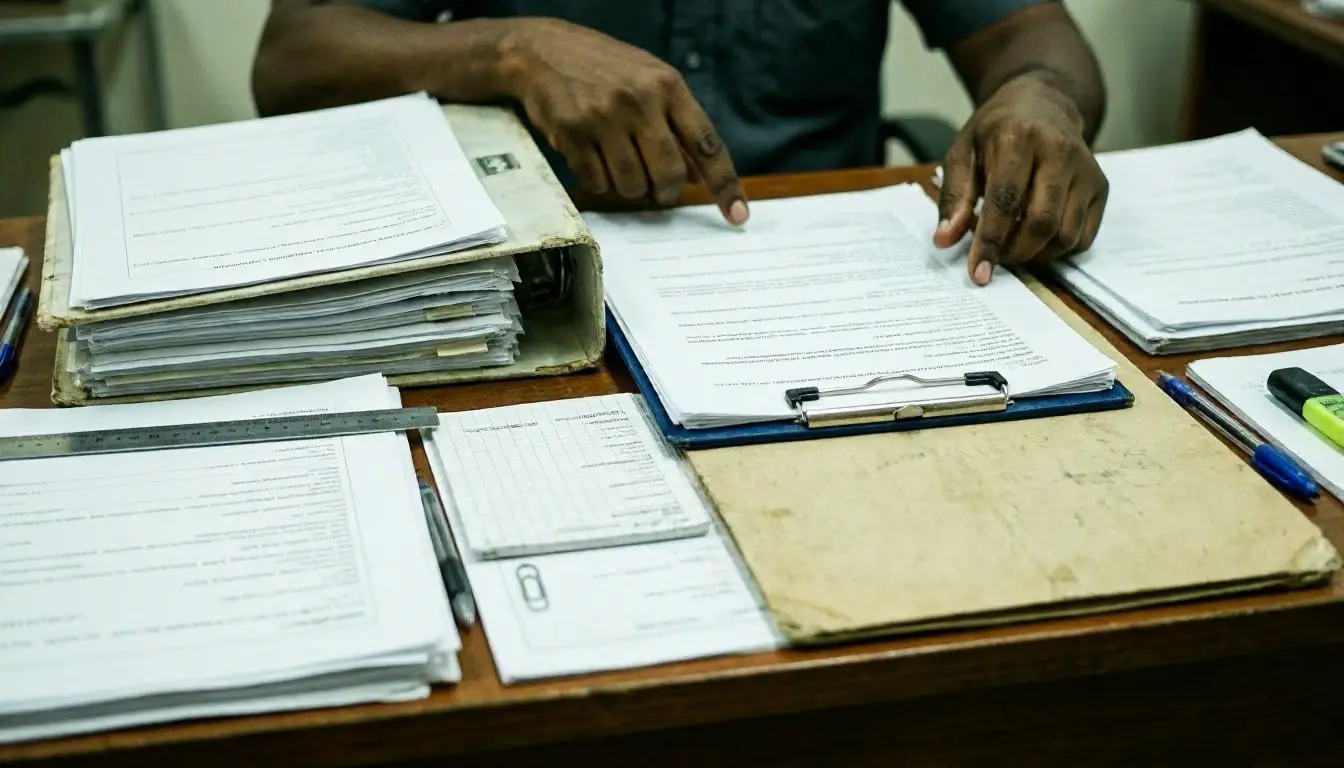
Labor Code is the legal framework that shapes how employers and employees interact in a country. It covers everything from hiring practices to paychecks, safety rules. And how workers can be let go. Unlike company handbooks or union contracts, Labor Code is created by the government and applies to all workplaces, whether small businesses or large corporations. It exists to protect workers from unfair treatment and to give employers clear rules to follow.
Related glossary terms: Employment Contract, Workforce Localization.
In Madagascar, the Labor Code is officially called the Code du Travail. It outlines what employers must provide—like minimum wage, paid leave, and safe workplaces—and what workers must do, such as showing up on time and following company rules. The code also explains how disputes, like wrongful firing or unpaid wages, should be handled, often through labor courts or government agencies. Because it's a law, breaking the Labor Code can lead to fines, legal trouble, or even shutting down a business.
The Labor Code works by setting clear standards that employers must meet. For example, it sets the minimum wage workers must be paid, which in Madagascar is reviewed and adjusted periodically. It also limits how many hours employees can work in a day or week and requires extra pay for overtime. Safety rules under the Labor Code might require protective gear, training. Or regular workplace inspections to prevent accidents.
The code also covers employee benefits like paid leave for sickness, pregnancy. Or holidays. It explains how contracts should be written, what terms are allowed. And how workers can be fired fairly. If an employer breaks these rules, employees can file complaints with labor inspectors or take legal action. Labor inspectors visit workplaces to check if employers are following the code and can issue warnings or fines if they find violations.

Labor Code matters because it balances the power between employers and workers. Without these laws, workers could be paid too little, forced to work unsafe jobs. Or fired without reason. For employers, the code provides clear rules so they know what is expected, reducing risks like lawsuits or strikes. Following the Labor Code also helps businesses attract and keep good workers, since employees prefer jobs where they're treated fairly and paid properly.
For Madagascar, having a strong Labor Code supports economic growth by ensuring workers are healthy, skilled. And productive. It also makes the country more attractive to foreign investors, who want to know that labor rules are clear and enforced. When businesses ignore the Labor Code, they risk fines, legal trouble. And damage to their reputation, which can hurt their ability to hire or grow.
Labor Code becomes especially important during key moments in the employment relationship. When hiring, the code explains what can and can't be included in a contract—for example, it bans discrimination based on gender, age. Or religion. During employment, it sets rules for pay, hours. And safety. So workers know their rights and employers know their duties. If an employee is fired, the code explains what counts as a fair reason and what steps the employer must take to avoid wrongful dismissal claims.
The code also matters during disputes or inspections. If a worker files a complaint about unpaid wages or unsafe conditions, labor inspectors will check whether the employer followed the Labor Code. During strikes or protests, the code sets rules for how workers can protest and what employers can do in response. For businesses expanding or downsizing, the code explains how to handle layoffs, severance pay. And notice periods to avoid legal trouble.
An employment contract is a specific agreement between an employer and employee. While Labor Code is the broader set of laws that govern all contracts and workplace rights.
Company policies are internal rules set by employers. But they cannot override or violate the Labor Code, which is the legal minimum standard.
Labor Code is not just a list of rules—it reflects a country’s values around work and fairness. In Madagascar, the Code du Travail balances worker protection with business growth. So staying updated on changes is key for compliance and smooth operations.
A textile factory in Madagascar hires 50 workers. Under the Labor Code, the employer must pay at least the minimum wage, provide paid leave. And ensure safe working conditions. If an employee is injured on the job, the code requires the employer to cover medical costs and follow proper reporting procedures. If the factory ignores these rules, labor inspectors can fine the business or shut it down until issues are fixed.
Employment Contract is a legally binding agreement between an employer and an employee that outlines the terms and conditions of employment. It specifies job responsibilities, compensation, working hours, benefits, termination clauses.
Workforce Localization is the practice of hiring and developing employees from the host country where a business operates, rather than relying on expatriate or foreign workers. It aims to align a company’s workforce with local labor laws, cultural norms.
Agent In Mada
Contact Agent In Mada for practical guidance on Labor Code and related business support services work in Madagascar.