Joint Venture Agreement is a legally binding contract between two or more businesses that outlines how they will collaborate on a specific project, share resources, risks, profits. And losses. And define each party’s roles, responsibilities. And exit terms. It ensures clarity and legal protection for all involved parties during the joint venture’s duration.
Term
Joint Venture Agreement
Category
Definition

A Joint Venture Agreement is a formal contract. It sets up how two or more businesses work together. They team up for a specific project or business activity.
It's not like a merger, where companies join forever. A joint venture is usually temporary. It focuses on one goal, like entering a new market or making a product. The agreement shows how they'll work together.
It explains how decisions are made. It also covers how profits and losses are split. And it says what happens if the venture fails or succeeds.
Joint ventures are common in many industries. Businesses use them to combine skills, tech. Or money. They do this without merging completely.
For example, a local company might team up with a foreign investor. The local company gets new markets. The foreign investor gets local knowledge and infrastructure. The agreement makes sure both sides know their jobs.
This cuts the risk of misunderstandings or fights. It also explains how to handle ideas, assets. And debts during and after the venture.
A Joint Venture Agreement works by defining the team-up clearly. First, it says why the joint venture exists. It could be to launch a product or enter a new market.
The agreement then lists what each side will give. This might be money, assets, tech. Or work. One side might give cash. The other might give know-how or access to local markets.
It also says how decisions will be made. This includes voting rights and who manages what. It explains how to settle disagreements.
Profit-sharing and losses are spelled out. So are rules for keeping and checking financial records. The agreement also has exit rules.
These rules say how a partner can leave. They explain how assets will be split. And they cover what happens if someone breaks the contract. These terms keep things running smoothly.
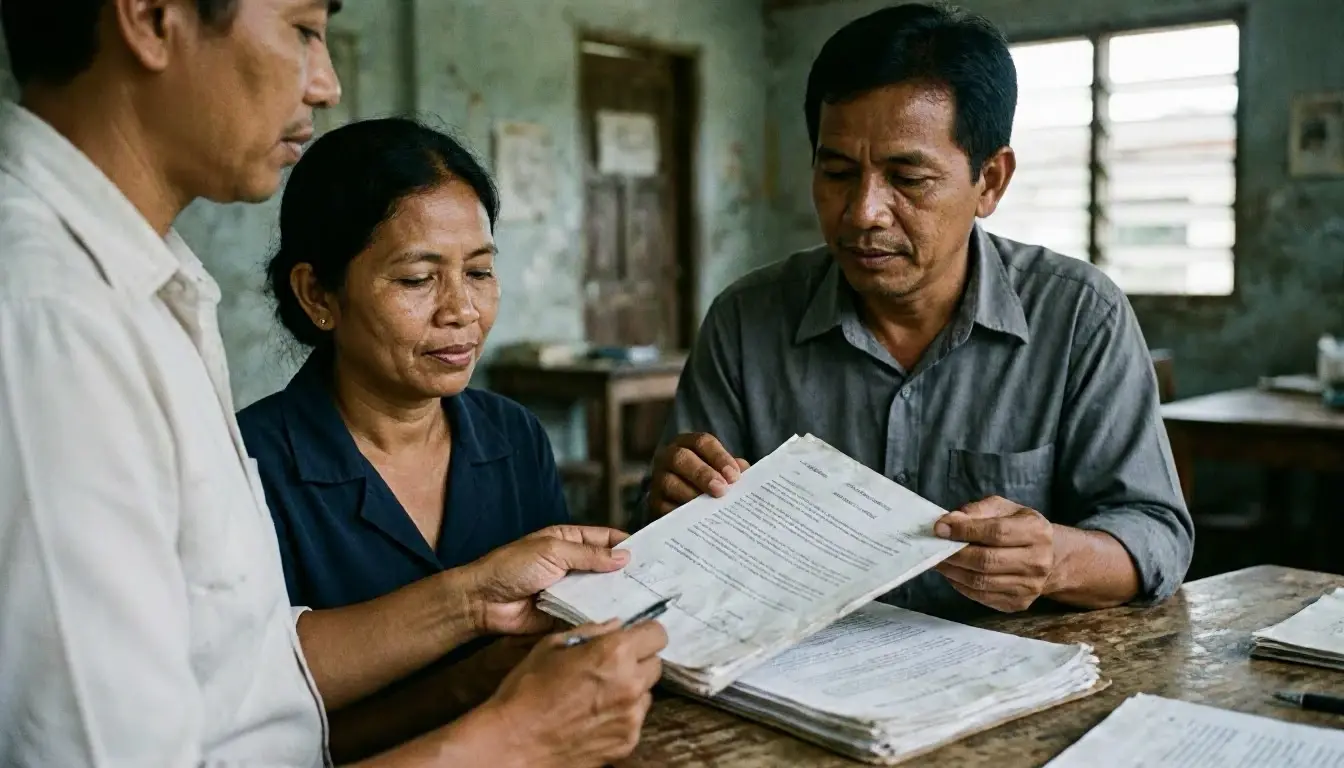
A Joint Venture Agreement matters because it gives legal clarity. It protects everyone involved. Without it, misunderstandings can cause fights or money loss.
The agreement makes sure each side knows their role. It also says what they'll get in return. This cuts down on conflicts. It helps businesses share resources too.
That way, they can tackle bigger projects. Or they can enter new markets that would be hard alone.
For businesses in Madagascar, this agreement is very useful. It helps when working with foreign investors or local partners.
It bridges gaps in knowledge, resources. Or rules. This makes local business easier to handle. The agreement also shows how to solve disagreements.
This is key when partners come from different places. Their laws and business ways might not match.
A Joint Venture Agreement matters most in high-stakes team-ups. This could be launching a product or entering a new market. It's key when sides have different skills, money. Or market access.
The agreement makes sure everyone's part is clear. For example, a local maker in Madagascar might work with a foreign company. The local side gets new tech. The foreign side learns about the local market.
The agreement is also critical for ideas, tech. Or secret info. It says how to use, protect. And share these things. This stops misuse or fights.
If the venture fails, the agreement helps too. It gives a clear way to end the partnership. It also explains how to split assets.
Without it, these situations can lead to costly legal fights. Or they can cause big money losses.
A well-drafted Joint Venture Agreement should anticipate potential conflicts and include clear mechanisms for resolving them. It’s not just about the collaboration’s success but also about protecting each party’s interests if things don’t go as planned.
A Malagasy textile manufacturer and a European fashion brand enter into a Joint Venture Agreement to produce and export organic cotton garments. The agreement outlines how profits will be split, who handles production and marketing. And what happens if either party wants to exit the venture. This ensures both companies benefit from the collaboration while minimizing risks.
Agent In Mada
Contact Agent In Mada for practical guidance on Joint Venture Agreement and related business support services work in Madagascar.